in-conversation
in conversation with Jason Tevin
by Jean Johnson
September 09, 2025
in-conversation
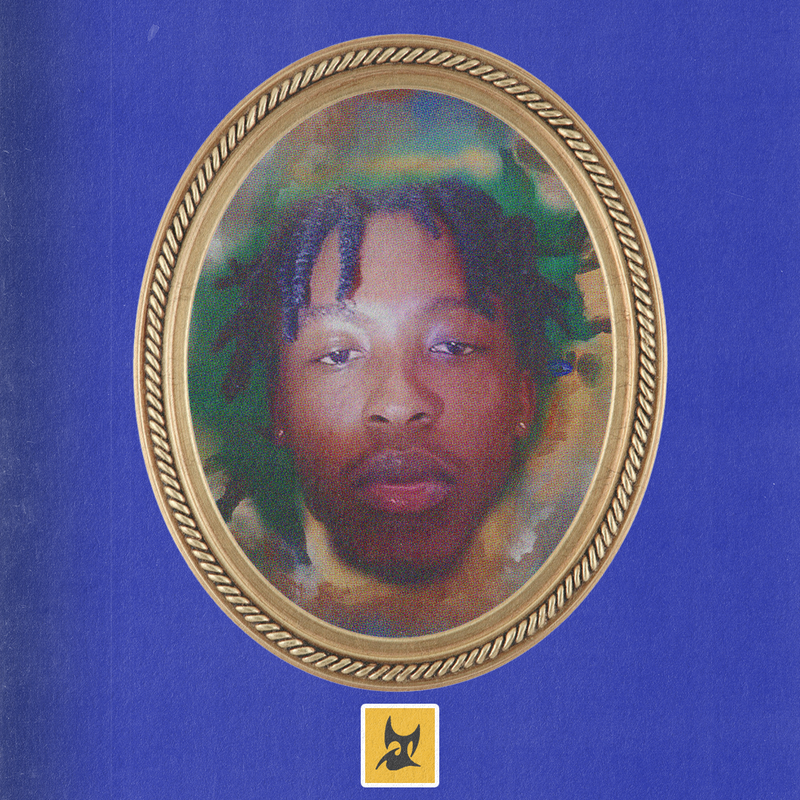
Jason Tevin doesn’t talk like someone trying to sell you on his art. He’s not chasing the perfect brush stroke or making grand statements. Instead, he is matter-of-fact and deeply introspective, like someone who’s spent a lot of time alone with their thoughts and it shows in his art. He started drawing as a way to survive, scribbling late into the night just to quiet his mind. Now, years later, it’s become something bigger: a way to connect, to process, to remember. He talks about grief, rage, and joy without ornament or disguise. He doesn’t care if the work is pretty. What matters is whether it holds something real and in doing so, he and his art inspires us all.
Hi Jason, how are you today?
I'm good, I'm good. How are you?
I'm doing fine. Let’s get to it; what got you into art?
I was slowly getting into painting and playing around with watercolours, so in time I developed an interest in both painting and graphic design. At first, it was experimentation, teaching myself different techniques. But in 2020, I realized I really wanted a career in art.At the time, living in Nairobi, I wasn’t sure which path to take. I didn’t know what the creative scene looked like or who to look up to, so it felt scary. But after doing some research, I figured graphic design was a good direction. It was a creative career and that’s really all I wanted.
I was also getting into music, and graphic design seemed to merge all those interests. I loved making cover art for songs and designing posters and promo materials. I taught myself through YouTube and observation.As I was finishing high school, I became more serious about it and started looking for design schools. That’s when I found the African Digital Media Institute (ADMI).
Yeah, I know ADMI.Right! The assignments and projects there were really fun. I got to explore different creative paths and learn more about being intentional with my work. That’s also when I started learning art history, exploring iconic artists like Van Gogh and Da Vinci, and realising how deep research can inform and enrich creativity.
I actually saw one of your songs on your stories—it’s really nice.
Thank you, thank you.
Who are your biggest influences and why?
I’d say my top four influences are:
Which is your favorite?
It used to be Flower Boy, but Call Me If You Get Lost took the top spot.
Mine is Igor.
I didn’t really like it at first. What are your top 3 tracks?
Definitely EARFQUAKE, it’s mainstream but it’s mainstream for a reason, A Boy Is a Gun, and PUPPET. Oh, and Gone, Gone / Thank You. Also Running Out of Time, Are We Still Friends? I like the whole album basically, it’s hard to pick just one.
What I love about Call Me If You Get Lost is the rollout and the warmth of the project. He was clearly just enjoying his talent and success.
And he dropped it on my birthday, so thank you, Tyler.
I’ve been saving Grand Budapest for a day. I really need something good.
You should absolutely watch it. It’s whimsical and detailed, and just oozes pure creative fun. It even made me start researching the people behind props, sets, typography. It deepened my appreciation of storytelling and visuals.
Have you watched Fantastic Planet? Your work reminds me of it.
I started it after you mentioned it when we last spoke, but I haven’t finished it. The visuals are beautiful though. Definitely planning a full rewatch.
What inspires your most recent projects?
One of the biggest inspirations is nostalgia; especially early 2000s or Y2K aesthetics. That’s present in my song Dream K, for example. I also explored a theme involving angels and care in my visuals.The concept was inspired by a personal story. I believe I saw an angel—my late grandmother—after she passed away. I was six years old. When we visited her house, I pointed to her room and said I saw her standing there, waving at me. My mom believed it was her saying goodbye.That memory made me reflect on moments in my life that matter deeply. Using angels symbolized care; especially the idea of angels choosing to stay and watch over someone instead of moving on to eternal peace. It raised questions for me: how far should care go? Is that kind of self-sacrifice healthy or harmful? That’s the theme I’ve been exploring lately.
What do you find difficult about this whole journey—especially breaking into the industry? And do you have any fears about your art?
Definitely. One fear is never being discovered. Like a Van Gogh situation where your workis only appreciated after you're gone. That fear led me to pursue graphic design as a way to sustain myself, because you still need to fund your life.I’m lucky to have found a fun and flexible environment to practice design, it’s not too corporate and still aligns with what I love.Another fear is the whole “starving artist” idea. But I’ve also learned to work with what I have, thanks to that Steve Lacy "bare maximum" philosophy. I no longer wait for the perfect equipment, I just create.My parents have always encouraged me to be confident, especially my mom. And I’ve found a community of people who get my references and ideas. That’s been so validating.
Do you struggle with balancing your many talents or knowing which path to focus on?
I used to. But now I see it as energy that just shifts forms. If an idea doesn’t work as a song, I try painting it. If painting fails, maybe it’s a poster or a photo manipulation.I let the idea flow to where it fits. Mixed media really helps with that. Sometimes, unfinished work resurfaces later, finding its context in a film I’ve watched or a feeling I return to. So having multiple interests just makes me more open-minded and resourceful.
What would you say is your personal philosophy?
My main philosophy is: "All that is, is art."It keeps me open-minded to everything around me. For example, I once made a poster from a flower petal. I try to remind myself that it’s all art. It just depends on how you look at it.
Thank you so much, Jason. This was such a great conversation.
Thank you! I'm really excited to see what you put together.