in-review
What Violence Are We Capable Of, And Who Benefits?: In Review of Canon Griffin’s ‘Looking Into The Mad Eye Of History Without Blinking’, Curated by Trevor Mukholi
by Franscine Machinda
November 17, 2026
in-review
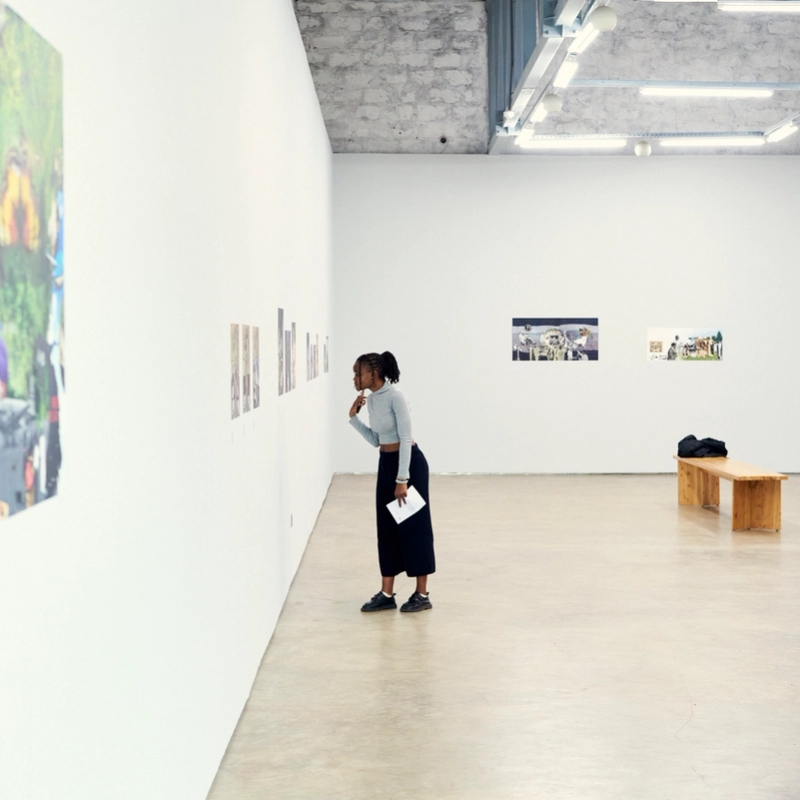
Before Ham Mukasa, one of Uganda’s first Christian converts famously known as the scholar who never went to school, died in 1956, he suggested that some scenes from Uganda’s history be reenacted and photographed as they had no visual archives of a few important events. Years later, Canon Griffin Rumanzi took an unconventional effort to do this, choosing to use images that
already existed from the country’s past and present - both personal and state - for this archival, collapsing time as he does so. The results are what I can only describe as schizophrenic depictions of a reality many are afraid to acknowledge when talking about colonialism and communal violence.
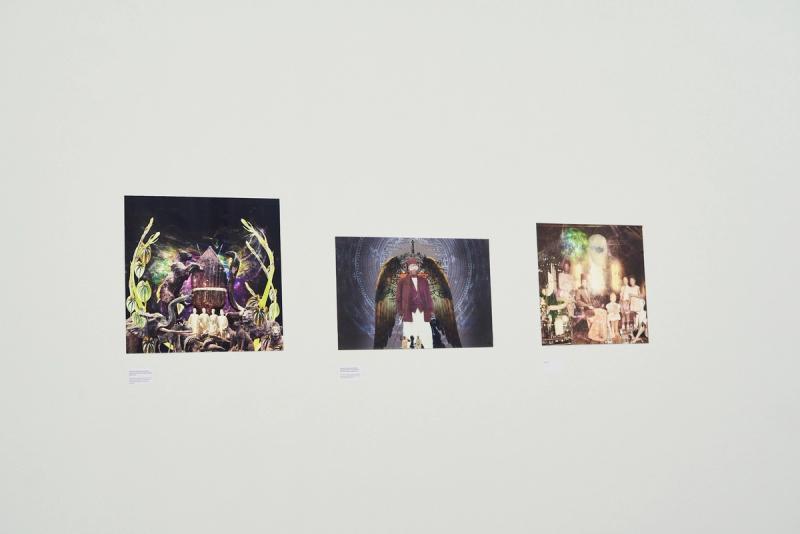
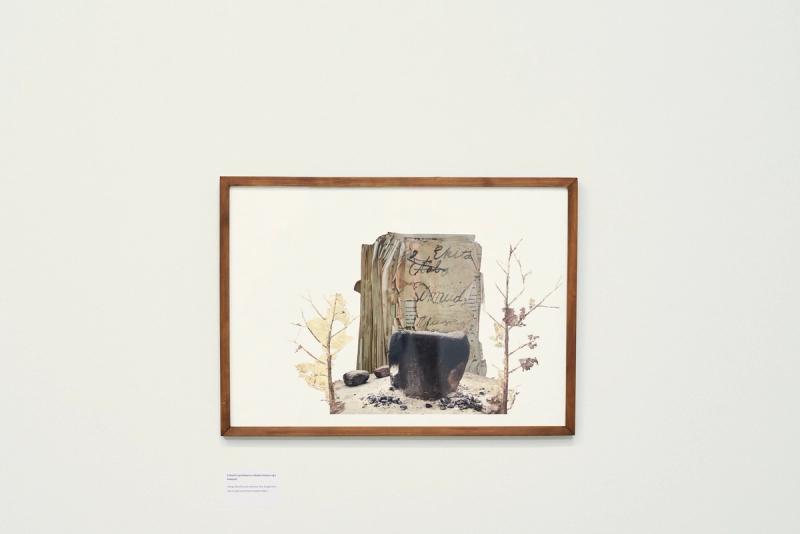
Installed at the Nairobi Contemporary Art Institute, Trevor Mukholi, the exhibition’s curator,refuses to give viewers any comfort or room to sanitize certain parts of Uganda’s past and highlight how easily those parts have translated into the neocolonialism currently destroying its present and threatening its future. He asks, demands, that the viewer does not flinch or dilute the complexity of what they are seeing. There is no coherence here, really. This is not a story with ends and beginnings, but a visual presentation about how little difference there seems to be between the two.
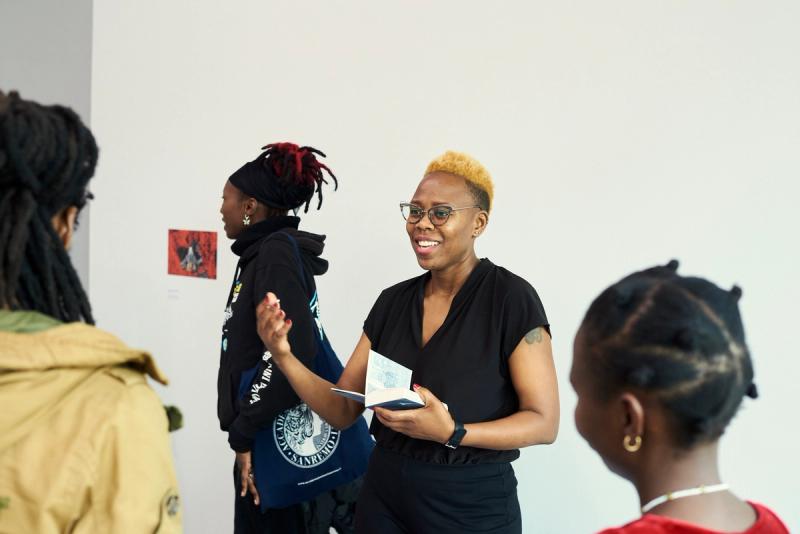
Trevor makes little to no effort to provide context to outsiders. The titles and descriptions are in Baganda with brief English interpretations provided below them, and he offers no explanations or lessons for those that don’t already have a knowledge and claim of this showcased history. He doesn’t seek to introduce any new ideas either, instead aiming to keep the audience’s gaze on
uncomfortable truths. Sometimes the greatest violence is caused by those who look just like you, with circumstances and experiences that seem exactly like yours.
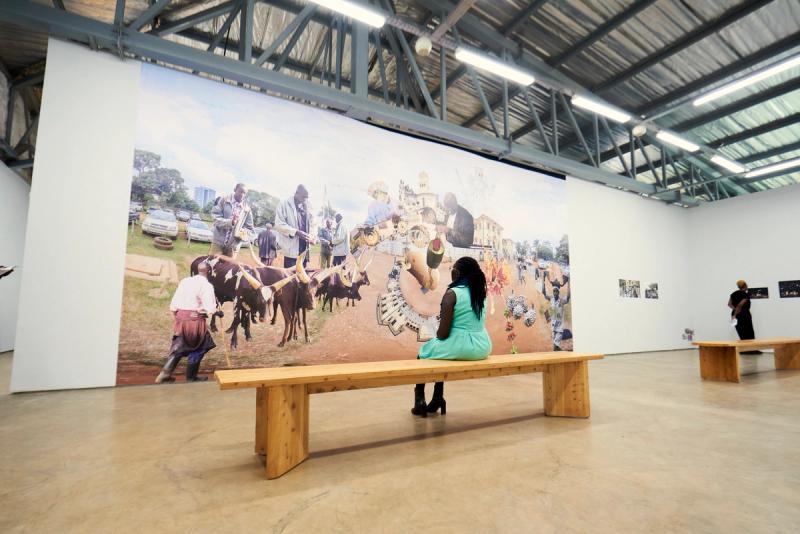
The fine details of who we were, who we are, are sometimes extremely hard to accept. There is no easy answer, to anything really, but especially to the question why. Why would we harm each other? Why would we collaborate? Why would we butcher ourselves? Why would we destroy each other? Why would we keep up the violence, even now as we try to pretend that that is not
who we are?
But there is never any one answer. It’s easier to look away, easier to pretend, but Canon and Trevor refuse to let you. They insist that you sit with contradiction and resist simplification. They push you to ask the questions you’re afraid to, whose answers you know but refuse to face; to challenge collective memory and consider what a decolonized archival practice might look like.
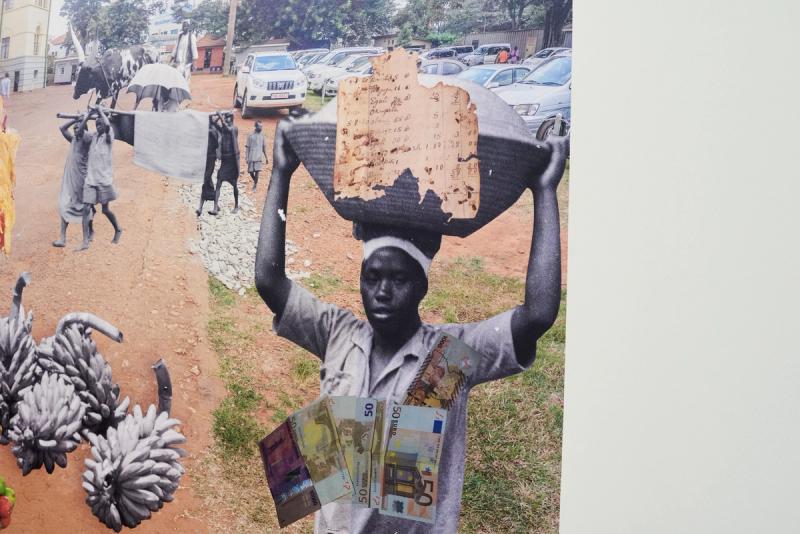
They also insist that you dig deeper, asking you to question: who gets to decide what history is?
Who is left out, or misrepresented. And most importantly, who benefits?
It is not always easy to face ourselves, but Canon and Trevor remind you that this is the reality of
a country’s history, who they were, and what they were capable of. Look at it. Isn’t it mad?
Don’t blink.