Darkroom · October 11, 2025
Nairobi's Alt Creative Beauty Through Thomas Seward's Lens: Skateboarding Society of Kenya
by Thomas Seward
by Thomas Seward
In early August of this year, I made the call to properly set things in motion for an assignment that I felt would act as a homage to where it all began for me.
Nairobi is a key part of my identity, I predominantly grew up within its invisible walls for most of my life towards the turn of the early twenties - of which the most vivid and important aspects to who I’ve become manifested during my teenage years, where I rediscovered and subsequently nurtured my passion for the arts, and its potential to lend a voice to the unheard, and a lens to the unseen.
Oftentimes, the allure of new horizons pervade our conscience to the extent where we gradually lose touch with the environments we inhabited, once we leave them for an extended period, and I started to feel this growing sense of unfulfilled promises to myself and my heritage around a year after I formally settled in the United Kingdom, a patch of land so obverse to my own views on life, society, and my future, yet so promising and full of life - a fascinating mixture of experience and nature.
In this treatise - of which I can honestly say is my first formal attempt at doing one, I seek to unravel Nairobi with a new set of eyes, through four case studies, each with their own individual flair and contribution to the alternative scene in Nairobi, of which this publication has generously made possible, which shall be additionally aligned with the main prompt at hand;
Who are we? What do we do? Where are we?
with appropriate reference to the very pillars that this publication stands for, and the cultural context that WhoWhatWhere at large bases itself in.
As a possible pioneering advancement, this assignment was exclusively shot on medium format film, a niche take on contemporary photography within a documentary context, of which I am privileged to have been able to implement on this scale.
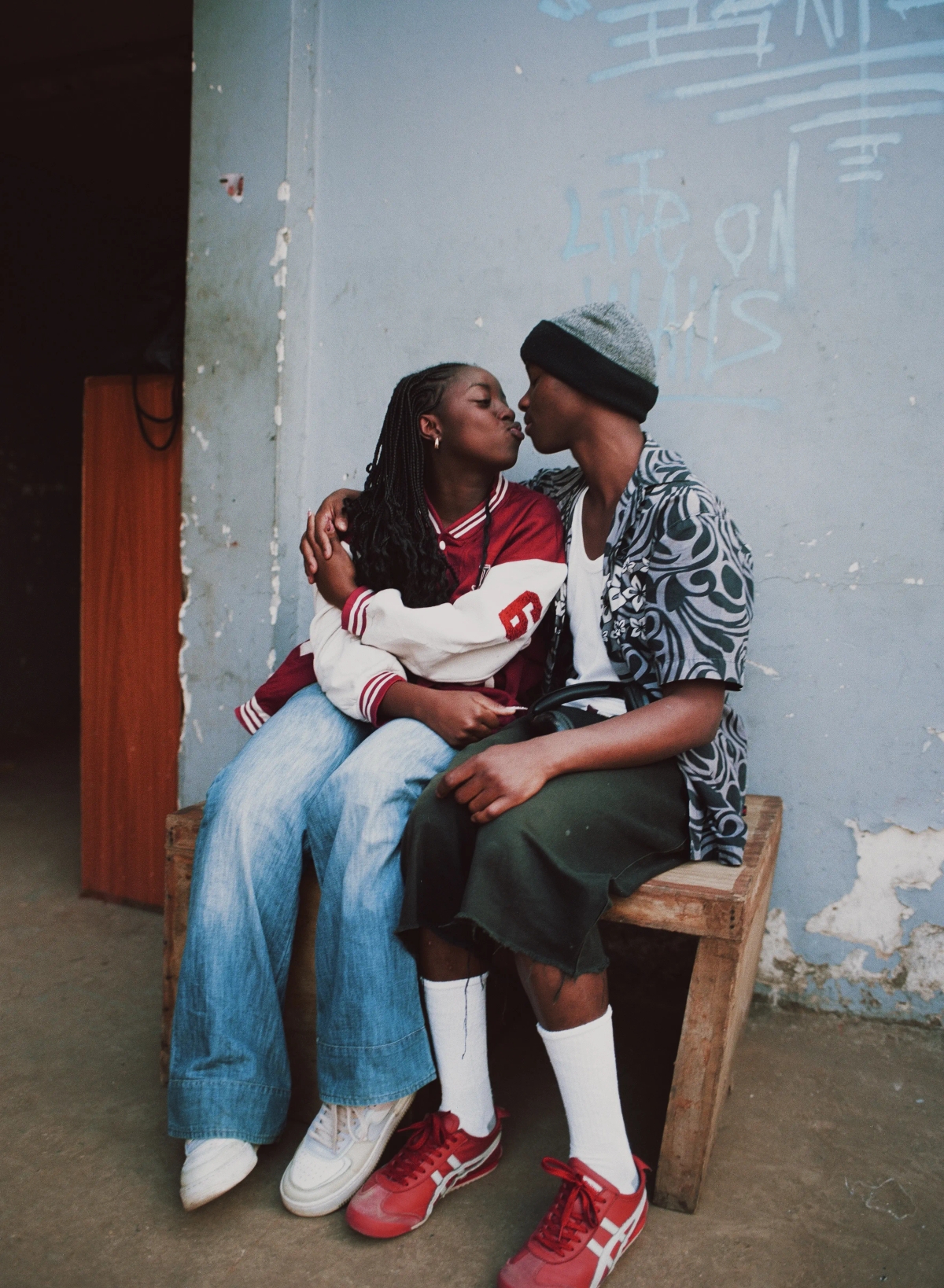

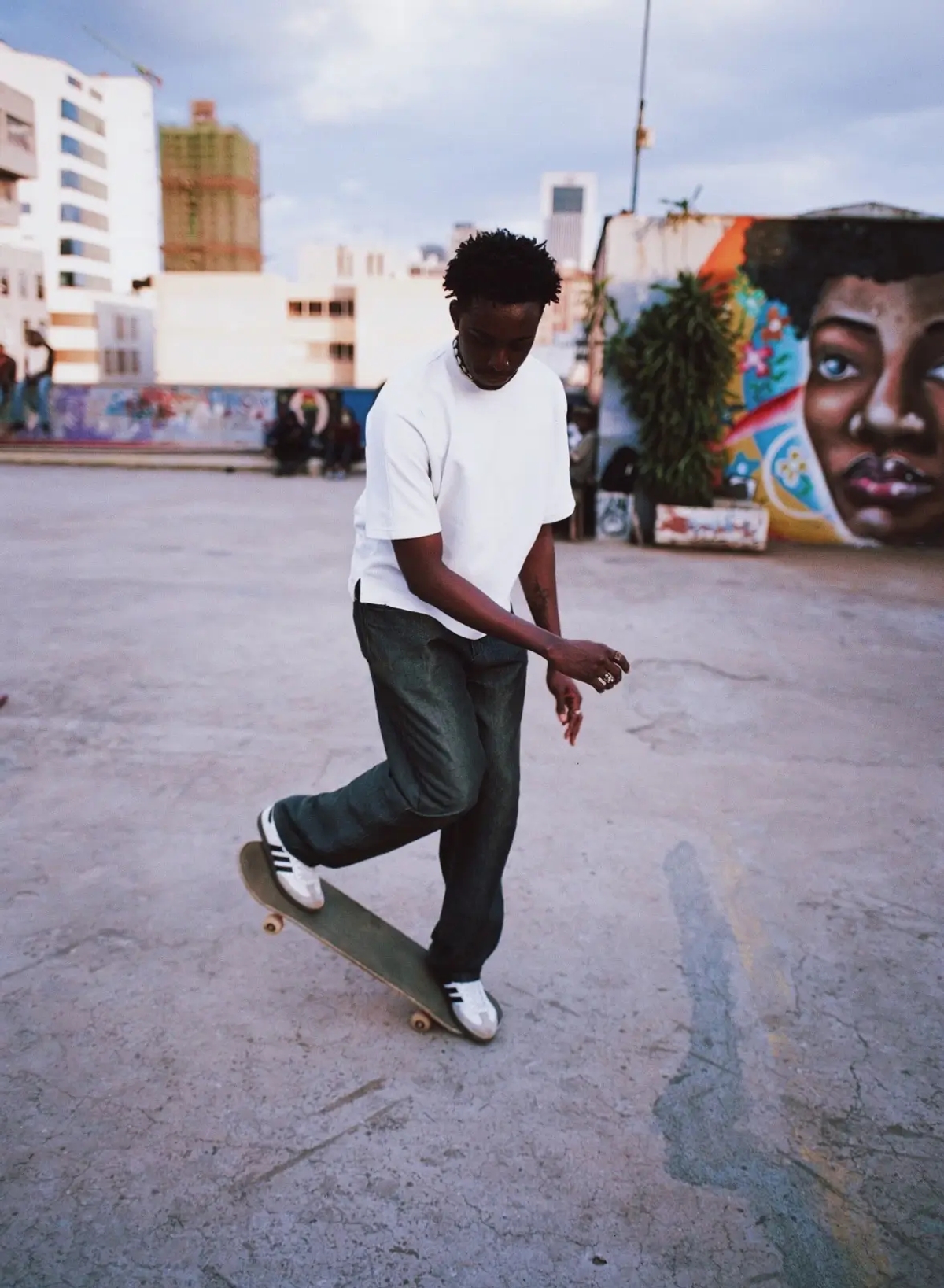
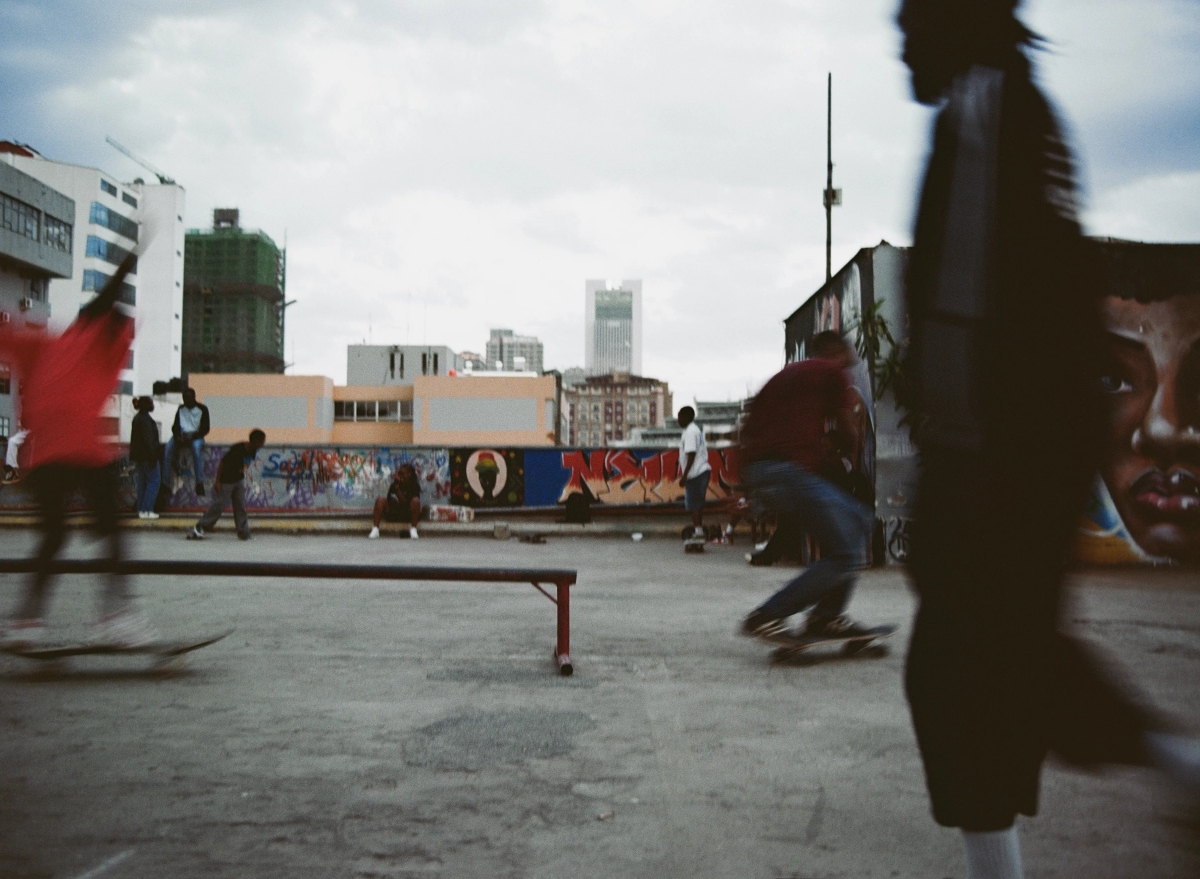
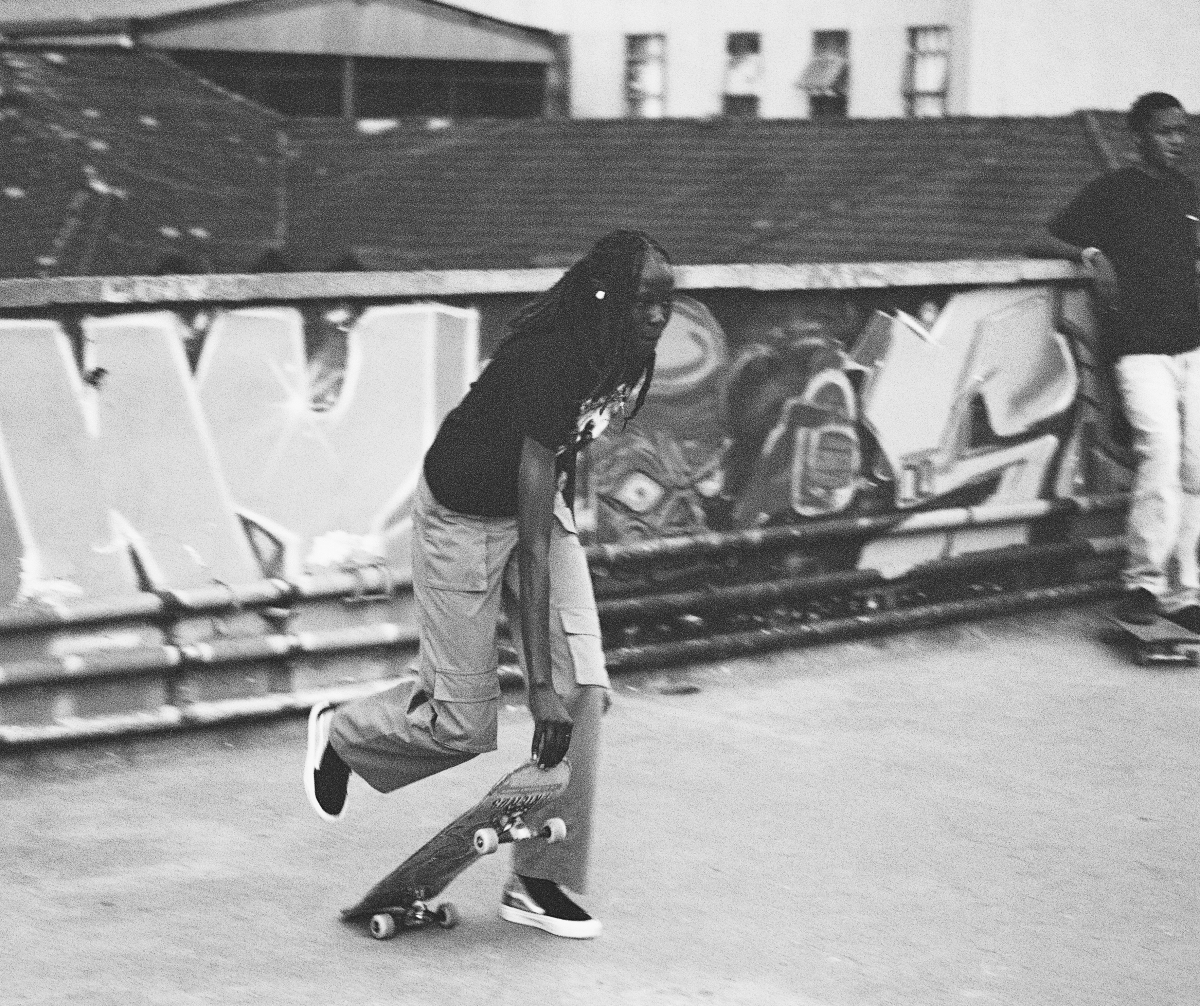
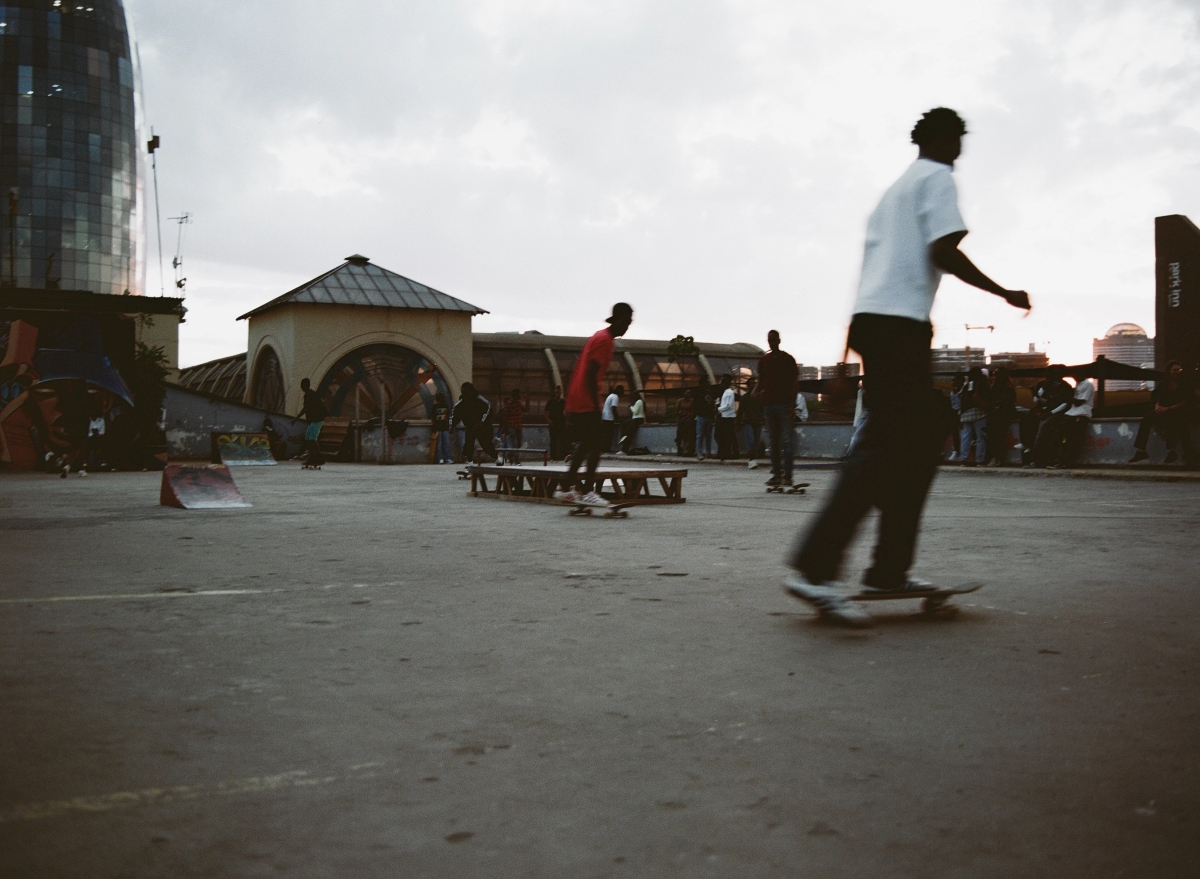
Prior to my return to Nairobi, I conducted a preliminary skim through potential subjects for this particular aspect, seeking to cover the activities of a progressive institution that purely embodies the state of local organisations and their ability to promote positive dialogues among the youth and disseminate opportunities for growth and comfort within their chosen route of expression. The Skateboarding Society of Kenya seemed to fit the bill. The Skateboarding Society of Kenya, or S.S.K, is a local non-governmental organisation that, from what I have observed, truly endeavours to promote and develop the local skating scene.I witnessed a sense of trust and community during one of the weekly meet-ups they usually undertake at The Mall’s rooftop in Westlands, of which I must add is an important cultural hub for everything from arts exhibition spaces (Munyu), to a school dedicated to the advancement of electronic music in Nairobi and beyond (Santuri), and so on. I observed individuals, one after the other, going at it on their skateboards, sharing stories and exchanging ideas against the backdrop of the city skyline as the sun drops below OneAfrica Place, a high-rise commercial development within a stone’s throw of the establishment this excursion is based in. You could also very well assume that Nairobi as a whole, is not necessarily what they portray it to be in the papers. This is a glimpse of the future of Nairobi in a world moving at such a speed that only these young men and women can truly comprehend. After all, they are the future, and my goodness, they do fly!