Darkroom · October 26, 2025
Nairobi's Alt Creative Beauty Through Thomas Seward's Lens: Black Rhino VR
by Thomas Seward
by Thomas Seward
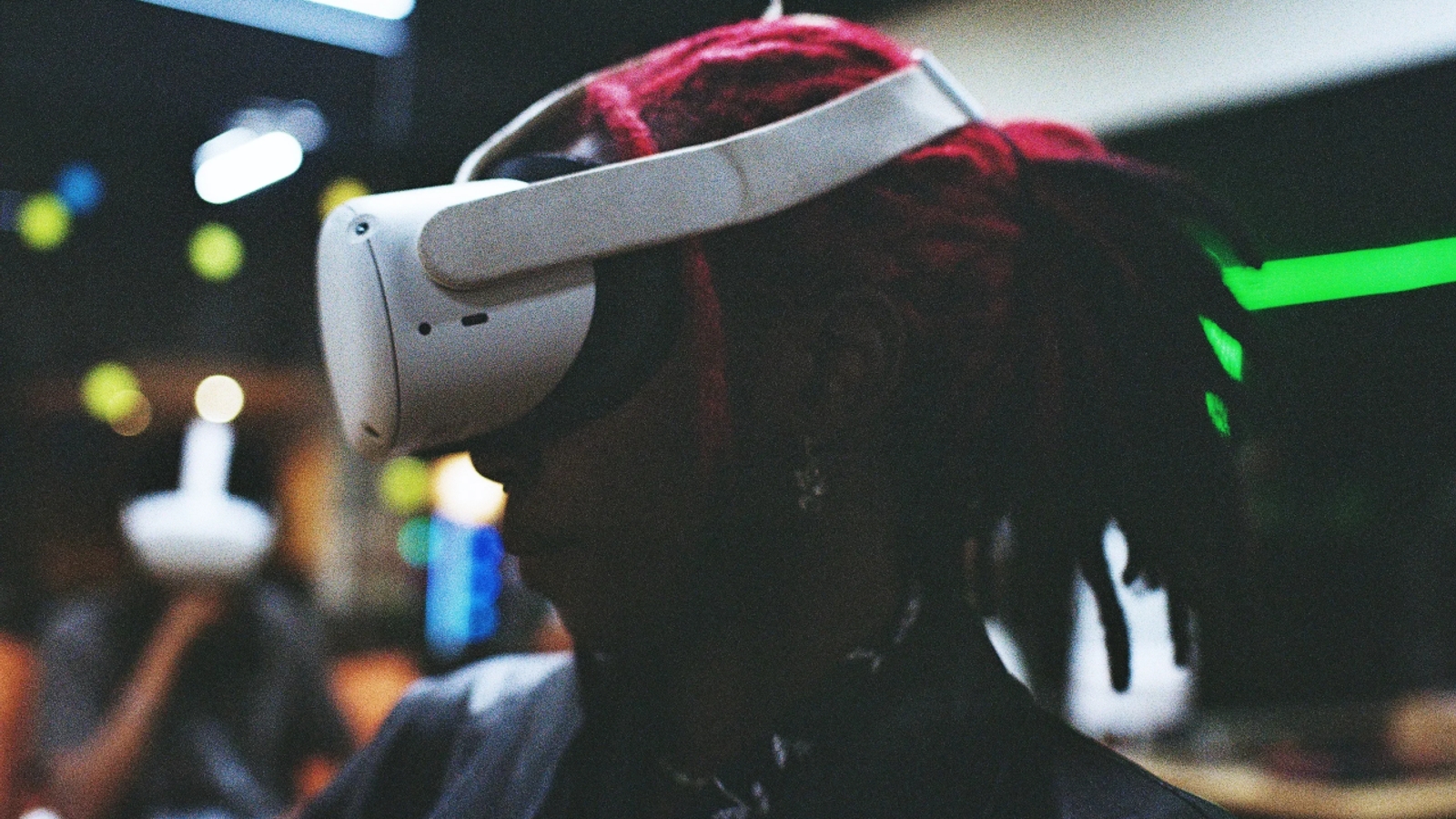
Expanding on the aspect of this intersection between emergence of subcultures and the remote observation of such, I was recommended by Debbie, the creative director of WhoWhatWhere, to a seedy establishment within the basements of The Mall, which I referenced earlier in my observations of the skateboarding scene taking hold on its rooftop.
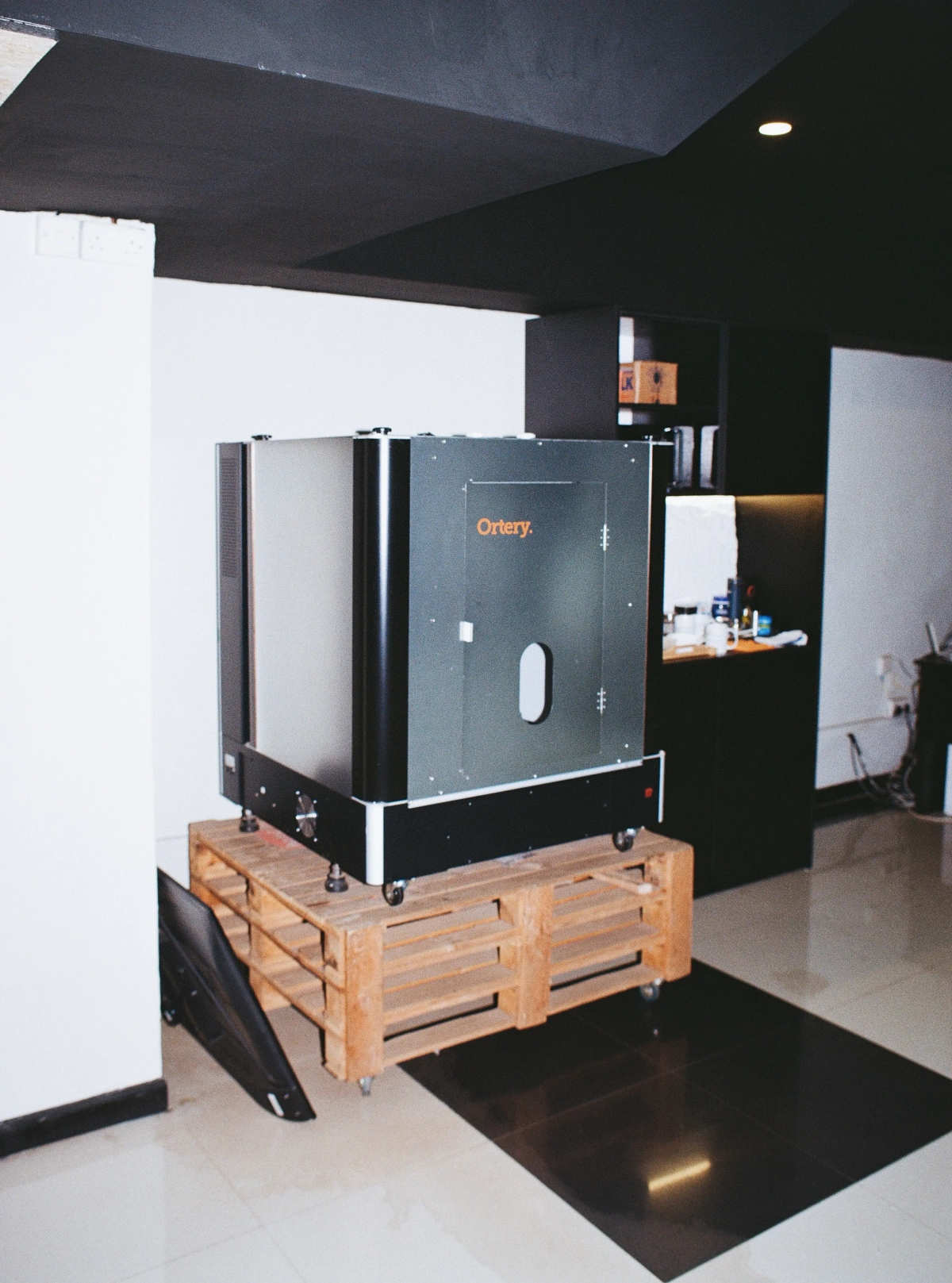
Clearly punching above its weight, and many times over, BlackRhino VR is a locally led agency specialising in, and fearlessly devoted to, the adoption and implementation of augmented and extended reality solutions in an ethnographic context. They have sought to democratise this relatively unconventional format of telling meaningful stories and developing unique frameworks that serve a multitude of organisations, both locally and internationally.
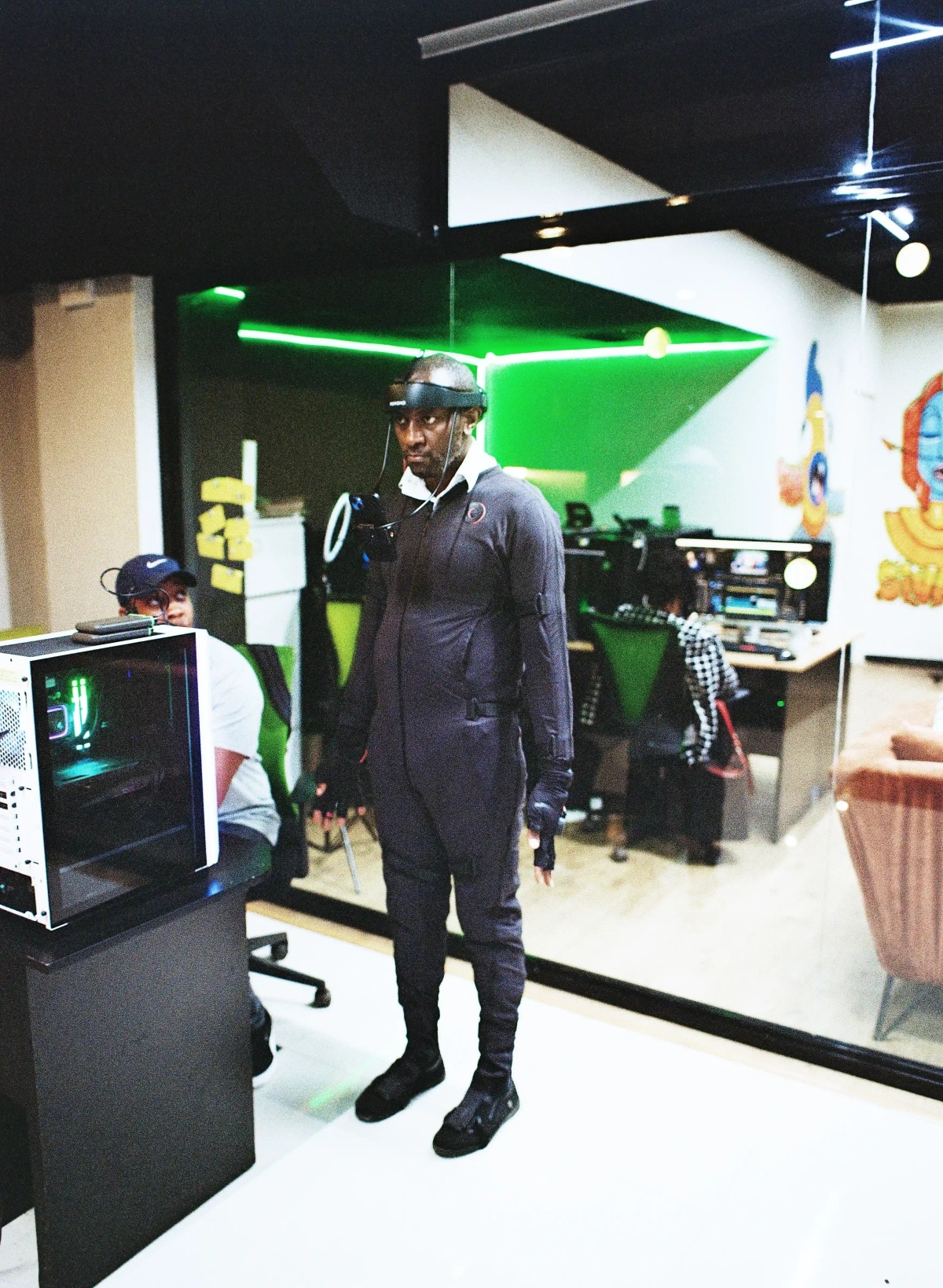
I was encouraged to participate in a demonstration of one of their AR implementations: a virtual landscape depicting the alleyways and cultural establishments nestled in Kibra, an informal settlement that houses roughly twenty percent of Nairobi’s total population.
In this demonstration, using a Meta virtual reality headset, I had the chance to experience alternations of numerous perspectives, often incorporating use of advanced imaging technology such as 360-degree cameras, lending me a unique look into a community that, in as much as it’s receiving objectively little press coverage and comparatively little resources to ‘established’ institutions, is still able to make an impact on its community, regardless of affiliation and interest.
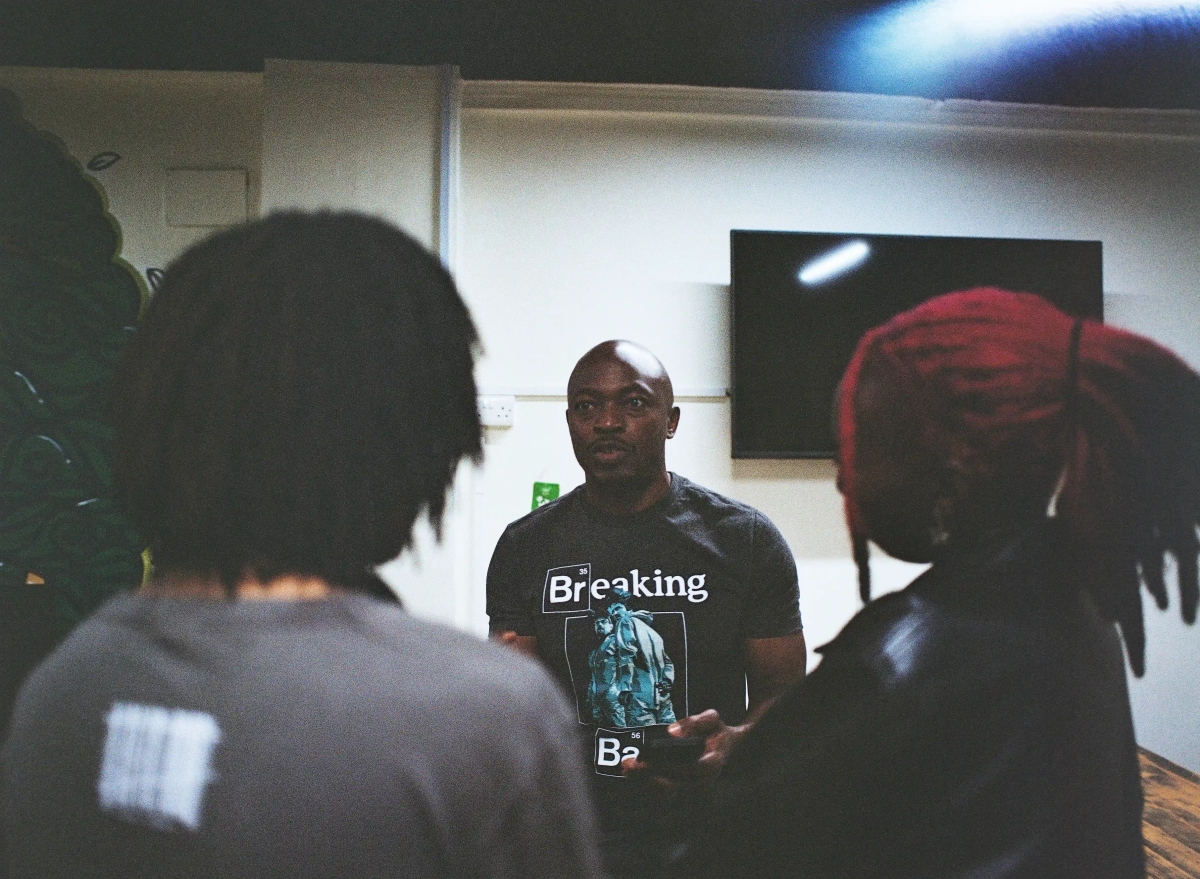
Jabez, one of the in-house engineers behind such cutting edge technology, emphasised on this implementation’s intention to drive forth relatively unknown narratives, or rather, lending a unique twist to the way stories of this nature are told, and their ability to encourage widespread change in the communities and contexts covered.
Additionally, use of existing and widely available applications, such as QR systems, as he personally demonstrated by virtue of an artistically relevant and interactive pamphlet commissioned by Kenya’s most dominant telecommunications service, Safaricom, allows the general public to be informed and immersed into the message the content conveys.
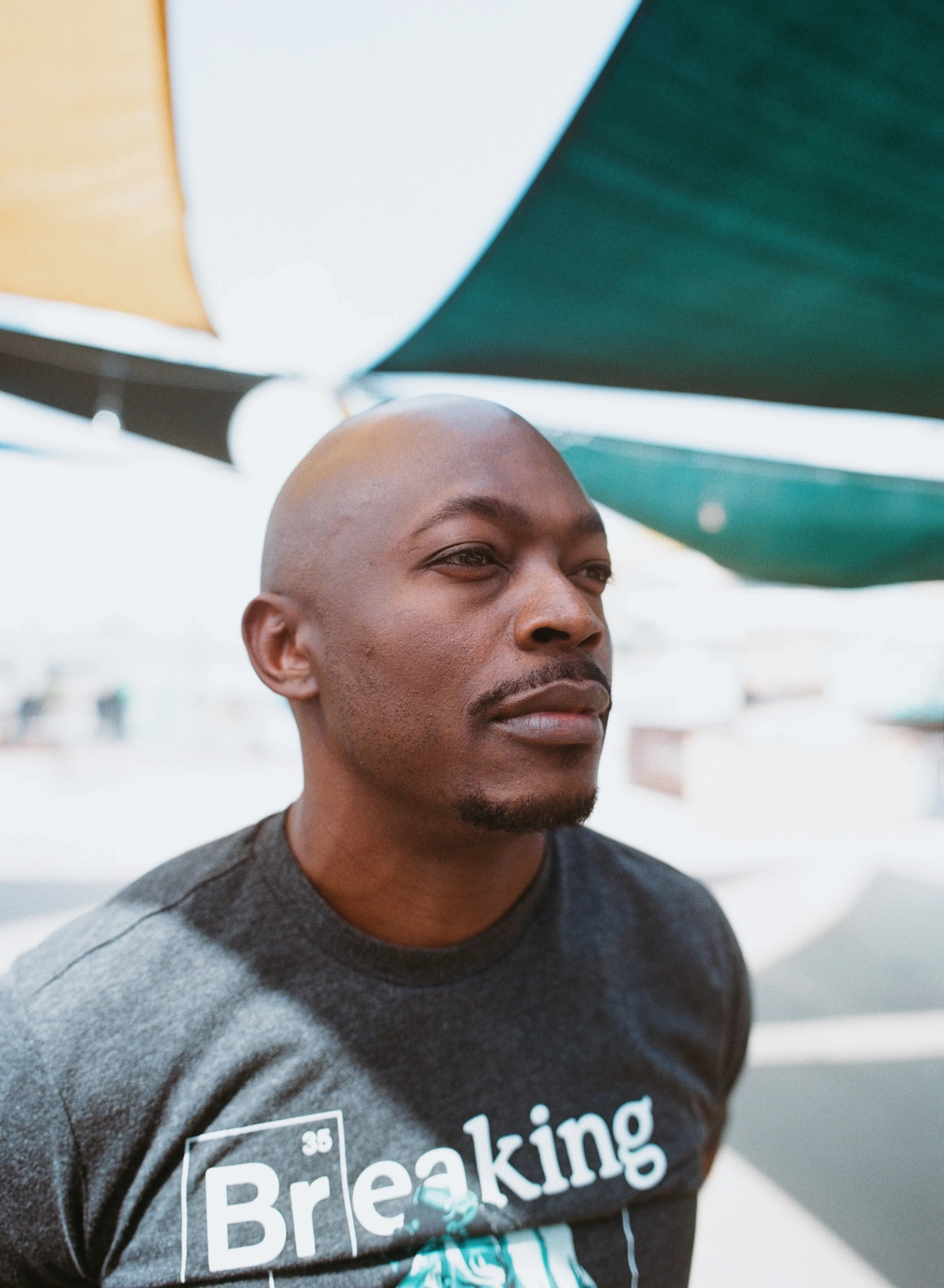
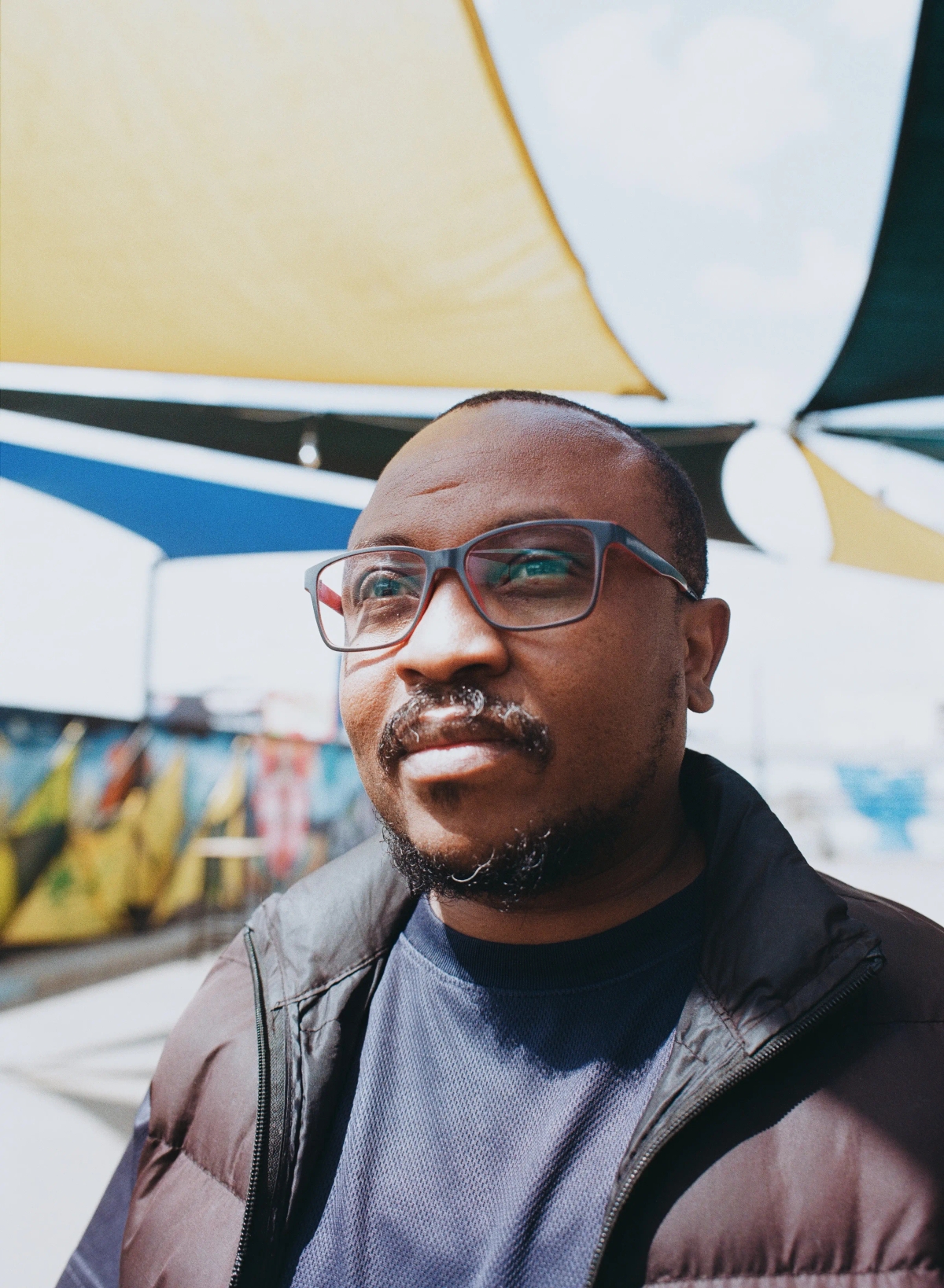
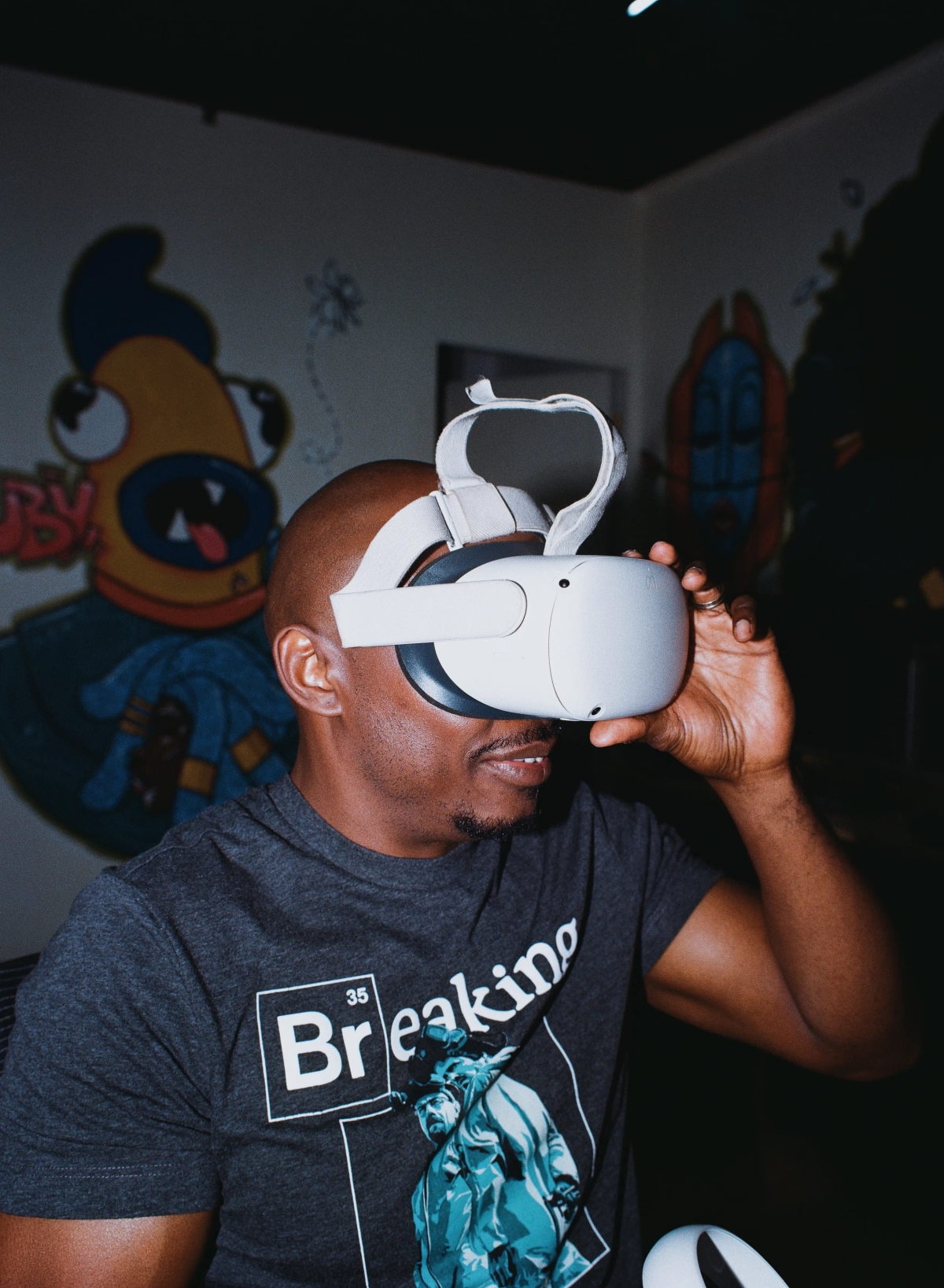
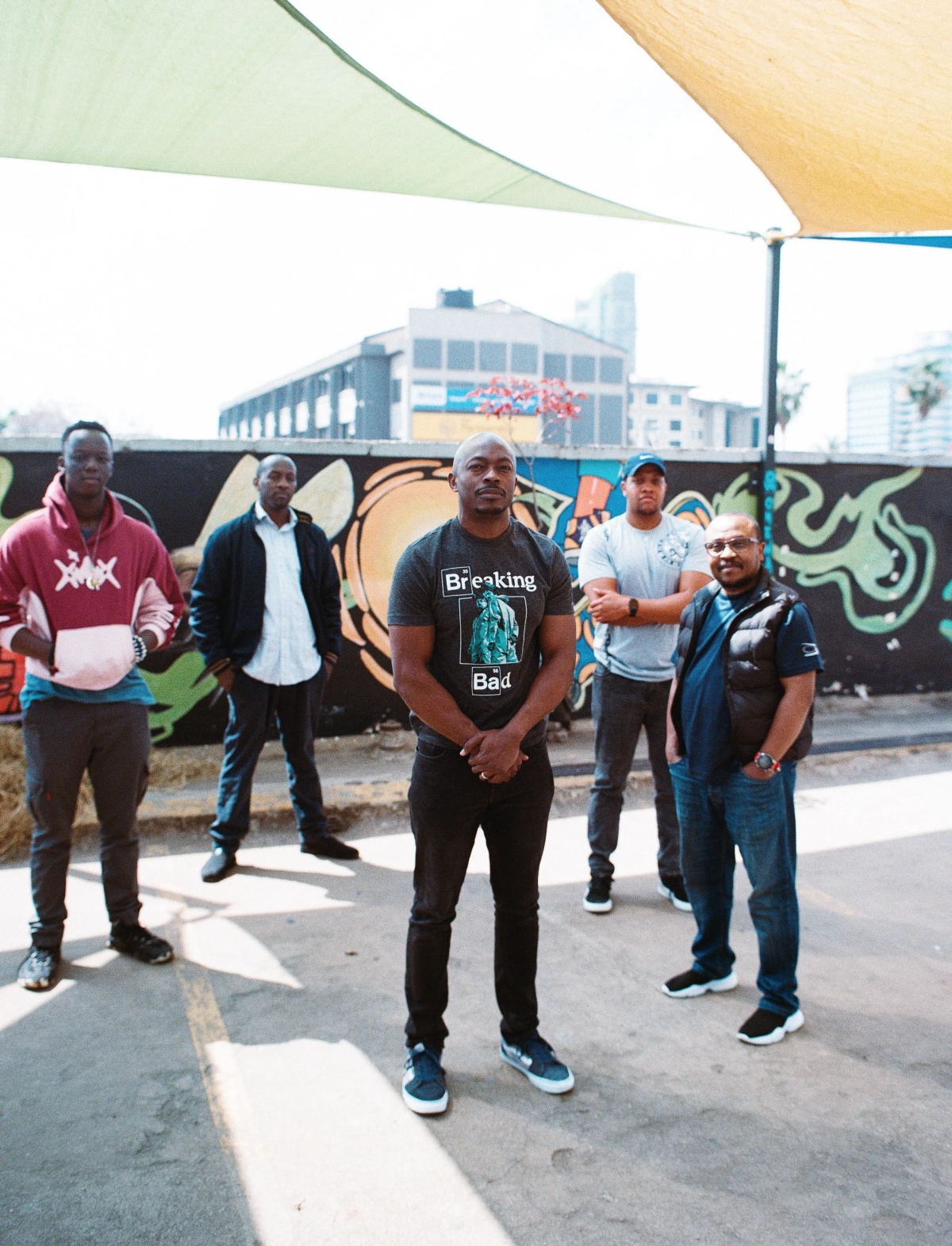
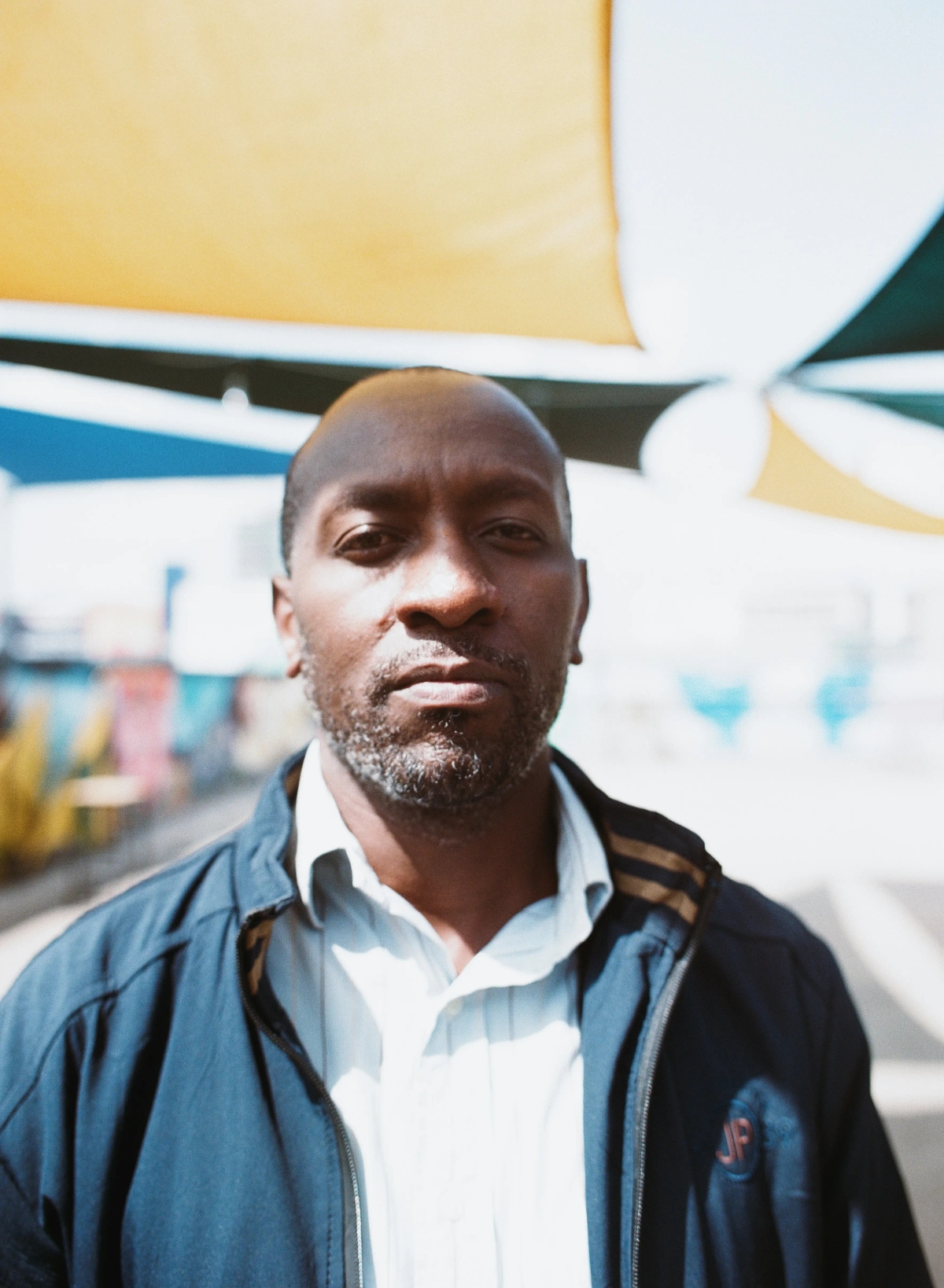
It doesn’t end here. Brian, BlackRhino’s CEO, gives additional context to this idea, where he elaborates on the main mission: to “decolonise space” in a virtual environment. “As it stands, this (environment) is all colonised by walls, laptops, machines (and the like). So, there is little you can do with such. But if you think about the future, there is room to change the narrative to one of decolonising, or, more appropriately, decentralising the rendering and user experience within such spaces, and the attitudes connected to such.” He adds, “Consequentially, a space that was (objectively) non-functional is now functional, using technology itself. And this time, it is in the hands of the people; on their mobile phones.” He further supplemented this insight by engaging me in a demonstration of an upcoming project with Isuzu, a Japanese automobile company, which features a state-of-the-art augmented experience that fundamentally changes the way one, for example, would conduct a car viewing without having to physically enter the vehicle; or even change the vehicle’s specifications, prior to possible purchase and eventual usage. This mode of operation does not only cover such applications, it can also be extended into other contexts that are composed of more critical infrastructure, such as healthcare systems and governmental dissemination of public information, from what was additionally demonstrated to me and the team. And, from what I can gather - BlackRhino, and the team behind such cutting-edge innovation, have been able to enforce and converge the differences between creativity and technology to the extent where I can truly confirm that the future of technology in Kenya, if not the pan-African region, is safely secured for years to come. The process of democratisation within such spaces may not happen overnight, but the foundation has been laid, and I am thrilled by the progress made thus far.