in-conversation
in conversation with KasaTheCurator
by Josephine Kiaga
January 22, 2026
in-conversation
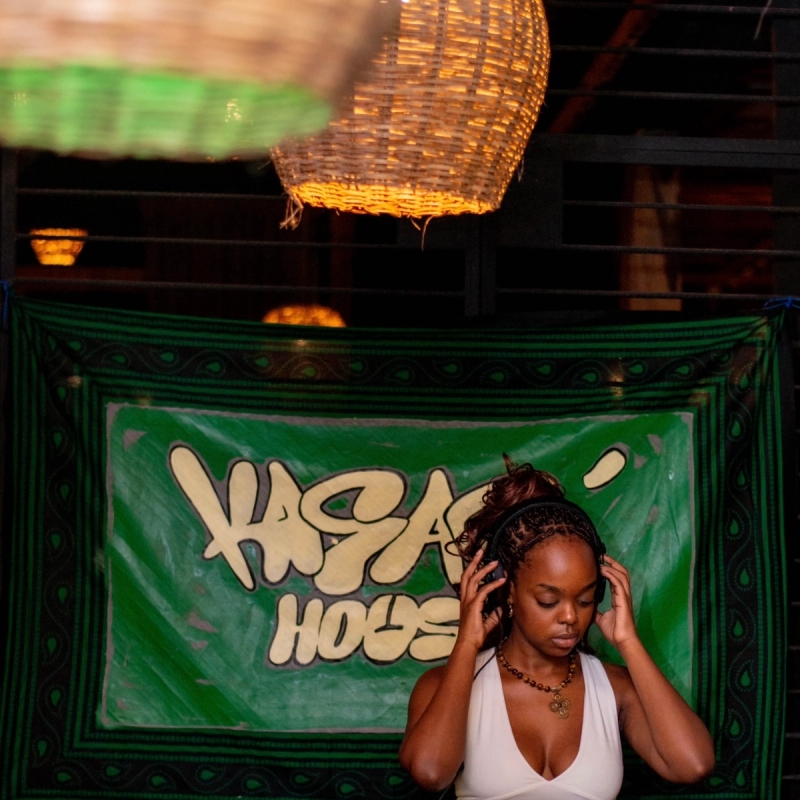
Dar es salaam is a city pulsating with creative energy throughout each street fueled by bold new generations of entrepreneurs, artists and change makers. If you’ve recently visited Dar you may have come across an intimate gathering of street wear fashion designers and creative suppliers coming together on a Sunday afternoon for Soko Sunday’s at Kasa’s House.
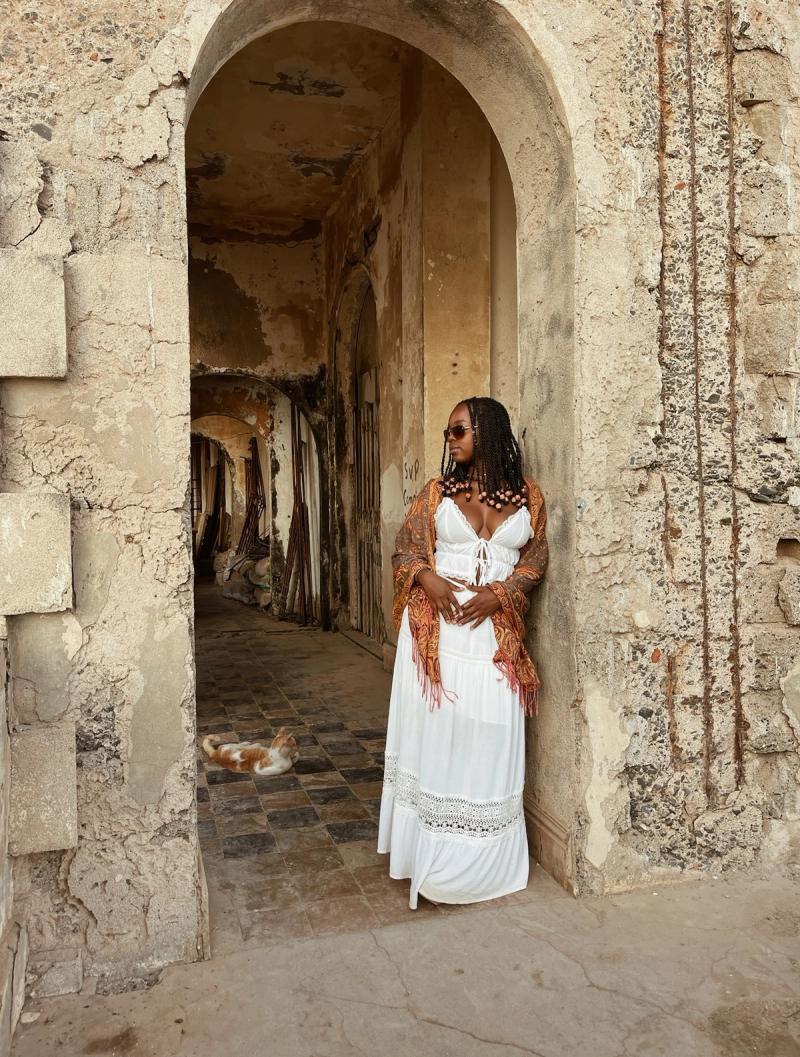
I was honoured to sit down with creative founder Kasa the Curator, a drive for force and creativity in Tanzania, for a conversation where explored the journey behind Kasa’s house and her other innovations, the challenges and the successes.
Kasa: “ I aim to basically bring together different creatives in Dar with our series that people are familiar with, Soko Sunday’s. We invite vendors that normally do incredible clothes and maintain that fashion element. But, we always try to mix it up and add something unique. One time we had a tattoo artist that came and she did tattoos and we’ve also had a perfume making activity.
For the last one we had a live painting and the artist that came, Iddi Mikidadi, came and did live paintings where he drew faces of Soko Sunday, which was really nice. I got to keep painting as a bonus. We try to integrate a lot of creatives like, we have had a film screening before, a short film on the skateboarding community in Dar and in TZ.
What I want is just for people who are like me and have all these shared interests where they think “I don't know if anyone else would be into it” can go because the whole time there's like an incredible group of people you haven’t met yet.”
MK: “I love that, that's so unique as most events just tend to focus on fashion and maybe music but yours is like a bazaar of different art to take in. How did it begin?”
Kasa: “It started because one day I literally was like, wouldn't it be cool if we had like a street wear fashion event in Tanzania? And then one person liked it. One person liked it and that's the person that I also co-host with or was co-hosting with at the beginning, Chinue. And she was like, “I'll help you out.” And we started from there. First, we did our research. We were looking for brands that we like in Tanzania that we felt as though they should get more exposure. We picked a spot, emailed some people while we were both still studying in the US. Then when we came in December, we were like, you know what, we're already too deep, let's do this.”
MK: “And how was the first event?”
Kasa: “The first event was way more successful than I thought it would have been. And it was nice because it's a community event, right? So how do I explain this? Everyone just really came through. That's all I can say. Before the event even started, the vendors came and everyone helped with setup. People came to support their friends. I have friends that are DJs and I was like “Hey guys, come DJ here real quick.” and I got so many DJ’s. It kind of all worked together at the last minute.”
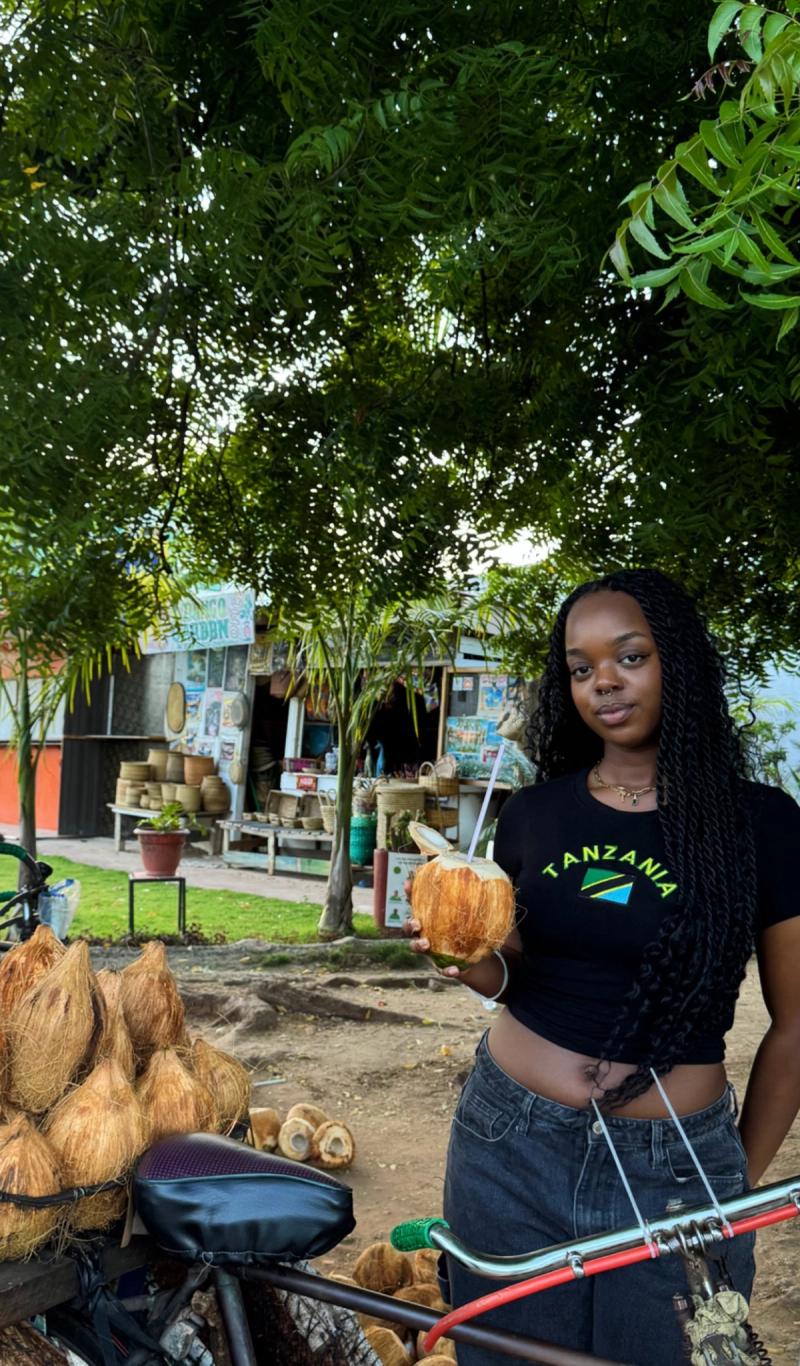
MK: “So, you just met everyone you needed as the event was coming together?”
Kasa: “I'm someone that likes to go out but when you go out, you don’t really talk. So it's nice because it forced me to talk to more people because I was like, what are you doing tomorrow? Come to my event. What are you doing next week?
That's also how I met the person that does our graphic design. His name is Nate. And I literally met him at a night club. And he was like “Oh, I'm a graphic designer.” and I was like “This event is next week. We don't have a poster. Can you make something?” So he made the logo, he did the design and he made it super fun! And so it's just nice because everyone really just came together. So we have a cute little community event now.”
As one knows, in business there are ebbs and flows. Although the first event was a success, I wondered how long this success would last in this up and coming urban city. Oftentimes, people move on to the next new fad. How does she maintain consistency, I asked.
Kasa: “So, we have done four Soko Sunday’s so far. At first it was supposed to be like a monthly thing, but because I went to the US, I went back to school and I planned one from abroad, but I'm gonna be very honest, it was so stressful. Cause’ I was up at like 4 a.m. making sure that people are having a good time here.”
MK: “How did being abroad force you to adapt to the event planning space?”
Kasa: “So, we ended up doing a digital DJ thing. We also want to try and expose people to more different sounds across the continent. So we got two DJs from different places. There was Jazzy, who's based in Eswatini. And then we also got iSursky, who's based in Nairobi. And so they did their little mixes, nice Afro house sets, and like Amapiano, like chilled vibes and people go to hear different sounds. The event was a success but that component was just stressful, like- planning things from abroad.
And I think now, I'm gonna be very honest, the thing with Tanzania is that you do something and then when people see that it's successful and maybe they're a bit more established than you, they see it as an opportunity to do the exact same thing. For me at the end of the day, I want people to have fun.”
MK: “With that being said, what can we expect from you and the Soko Sunday series moving forward?”
Kasa: “I've been planning on pivoting away from the Soko Sunday series and actually building more of ‘house’ element because my vision for Kasa’s house in itself is supposed to be ‘different rooms’ themed events if that makes sense. So Soko Sunday is like the garden and now we've been building the foundation for the house so we want to build a little living room series and a kitchen series and more. I’d like to just bring different experiences to people to make sure that
they actually feel they’re at home.
As the event continues to grow, community support and engagement will keep the event alive. Beyond event planning Kasa is a woman of many talents.”
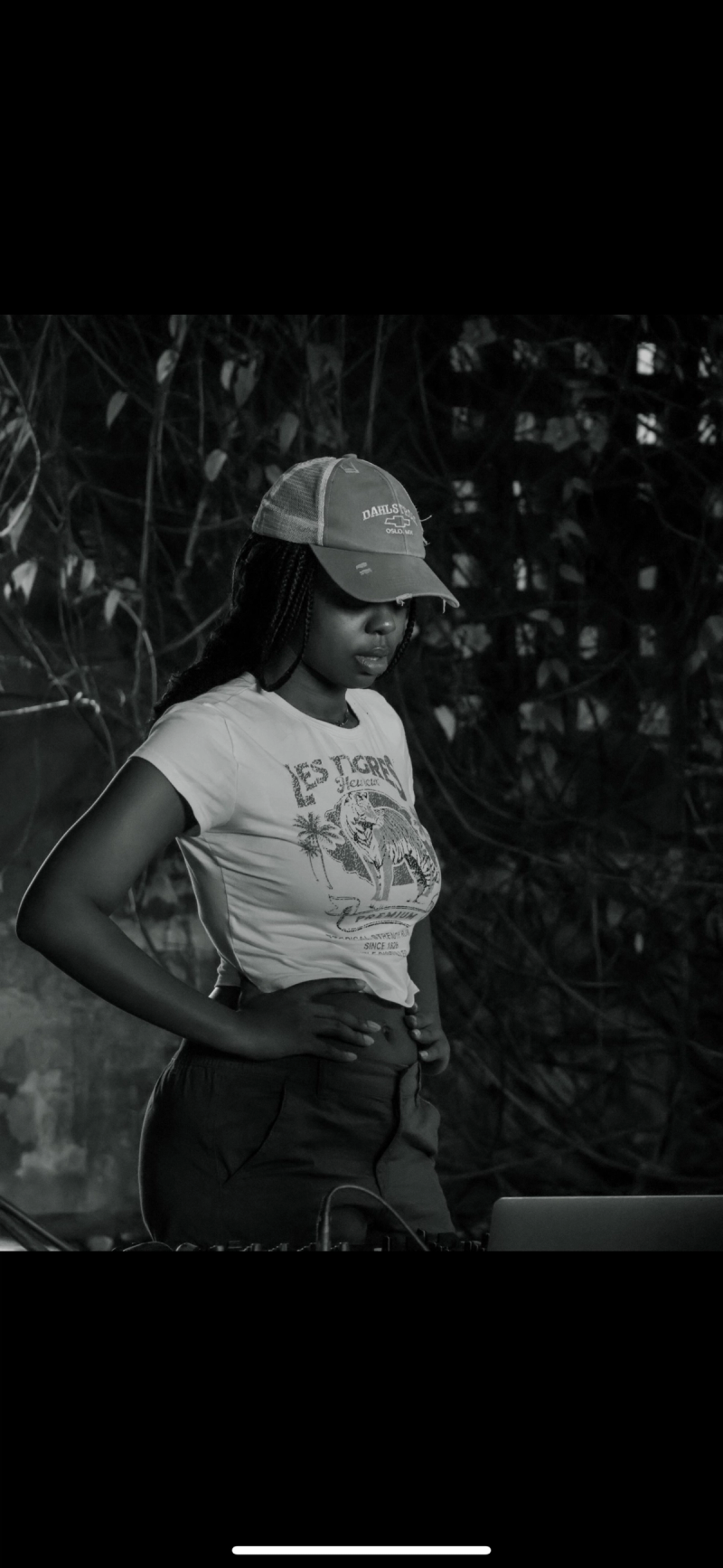
MK: “And you mentioned being a DJ. How serious is that? How deep is the DJing?”
Kasa: “I do it as a hobby. I DJ for fun because sometimes you go out and it's so easy to talk shit and be like, that transition was bad. And this person sucks. But could you actually do it yourself? You know? And it's nice when you go out and you listen to a song and you're like, this would mix so well with that or that. So I got a DJ controller maybe like a year ago and started watching tutorials and would do it in my room for fun. And so now with this finding DJs, because I also want to give attention to the underdog.
I try not to get like big names per se, you know, because I feel like there is like a monopoly in the DJ space in Dar. You see the same faces. It doesn't matter if you don't have to go to this concert because the same DJ will be at the club in an hour, you know? So, yeah, I really want to give space to people who maybe don't get the same amount of opportunities. And that goes with music, fashion, everything in Dar because I feel like, unfortunately we have a culture where
once you're on top, it's very easy to stay there and keep people under, you know?
Personally, I started DJing, I guess more in public because of this event and because we needed to find DJs. Sometimes there would be an hour slot where we don't have a DJ and I’m like “Okay, yeah, I have to jump in. But now, it's interesting because people have been asking me to DJ for their events. And yeah, it’s a little nerve wracking. But we'll see how it goes. I thinkthe rest of this month will be very interesting in terms of that space.”
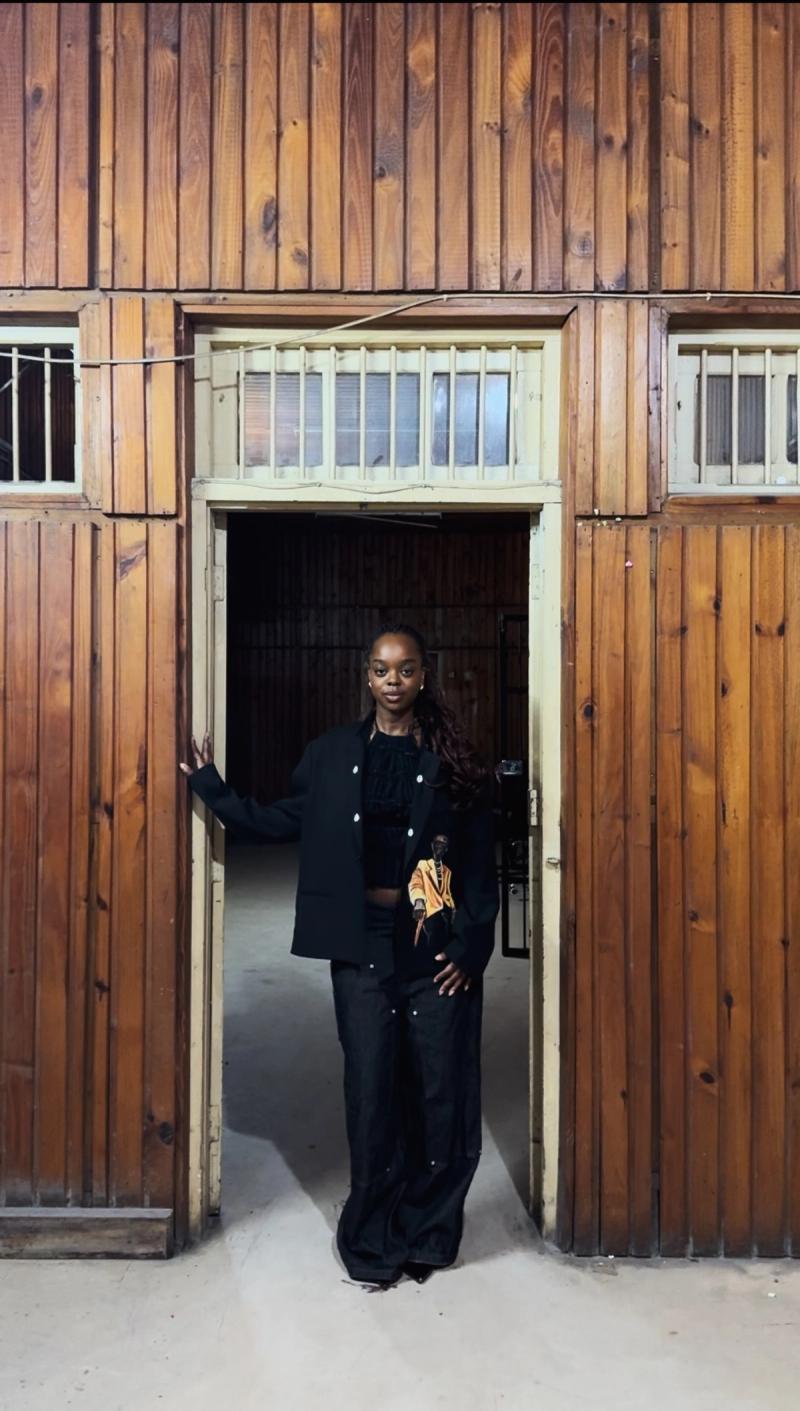
MK: “So, we should catch you in the clubs.”
Kasa: “The club? Not the club, never the club. But I think maybe restaurants! I think right now I still like things that are niche and things that I would like to go to and contribute to. Maybe I'm a little bit of a tyrant. I like music that I like, you know what I mean?
I’d like to introduce people to things that maybe they haven't heard before or maybe they felt like I didn't know that you know there are other fans of this artist or that artist here like I actually want people to pull out their phones and Shazam and like have new experiences yeah so maybe not the club but more like intimate settings for sure.”
Outside of DJ’ing and her event management, Kasa has completed two degrees in higher education in the United States. I asked her more about how this connects with her creative genesis.
Kasa: “So, I have two degrees. I have an associate's in Business Administration and I did my Bachelor's in International Relations and French. I mean, I changed my major like I don't even know how many times to be honest. I started off with the associates then when I started my bachelor's I was like “Okay, this isalready what I've learned.” Then I switched to economics. I
realized I really suck at math. Then I was like, you know what, let me leave with something. Give me that political science degree.”
MK: “How do you feel like, if at all, does it connect to what you're doing creatively?”
Kasa: “I think, well, the business aspect has helped a lot just in terms of understanding how things run and how people need to be treated. The international relations part...how do I explain this without - Actually no, let me get deep.
One thing that I've always been is like very pro Africa, very like Pan-Africanist, right? And I think that right now we're in a very interesting time where African music, African fashion is taking off. You know, we have our Rema’s, Tyla’s, Burna Boy’s representing us on a global stage. But a big issue is, like the way things are labeled for ‘African artists’, you'll just put a general umbrella under that called, you know, Afrobeats.
So I think that right now, because everything is so digitalized, we do have an opportunity to actually write our own narrative. And I think that music, art, fashion is something that connects people globally. I've never been to Nigeria, but I can listen to Nigerian songs and understand what they're saying, you know? And like so many people here too, as well, we're all in the club dancing to Amapiaono.
So it really has traveled across so many different countries in Africa. And so I think it's a great opportunity to actually have people come together and be unified and actually set their own narratives for where they see the future going. And so interestingly enough, before I started Kasa's House, I used to run an Instagram called ‘On The Map’, where I would talk about different African artists that are just doing very niche things. So you know, maybe there's Moroccan Jazz or like, you know, Ghanaian trap. Ghanaian trap is actually really lit.”
MK: “Ooh girl put me on.”
Kasa: “Ghanaian trap is lit! It's like the fact that there's just so many different things going on around the continent, like no two people are the same. And I think it's just important to give light to that and to actually write our own story for once this time. And since the music industry here is fairly new, fairly pure. I do think that artists have a big responsibility in a sense to set the tone for how things are to go for future generations. Pan-Africanism.”
MK: “We try so hard to do what they're doing here. And then we question why we don't succeed in a cycle. If we had just created our own standards, created our own understanding of what an action is. We can cultivate our own industry, but if we keep comparing and just like trying to appease.
There is no bar, you know, that's the truth. Once you get up there, they're going to turn it into something else. Like it's a cool concept, like, know, like there's no African doing it but they’ll put you under these made up categories. They'll turn it into what they decide. Like, so is that the top?”
Kasa: “Yeah. Yeah. Yeah. Exactly. And the thing is, art is just so deeply political. Film, music, everything. Because even back in the 50s...Well, okay, don't call me on the time period. But, when colonialism was really still a thing, countries like Senegal, Mali, like all these West African countries, when they would make documentaries or give grants to African filmmakers like your Sembens and stuff to make films, they would control the sound. So like the French would control the sound. So you could have someone capturing all these beautiful moments, but then the story that's told through that is not your own. And I think that's why it's so important to now literally be loud about what we have to say and that's why writing your own narrative is so important. Because guys, people have fought for us!
I went to Senegal last year on a study abroad trip, and that really actually influenced me to do what I'm doing now - the way people are so free with their expression. I met so many talented fashion designers, photographers, like literally just people that actually put a lot of time an effort into their craft and it's respected. It's not looked down upon.
Every two years they have this thing called the Biennale and they have all these different artists also come in from abroad. They have the ones in Senegal and there's just different events every single day. Not even every weekend, every day where you learn so many different things. There'll be things like- I went to this fashion show and it was about skin conditions and it was just meant to highlight what people with those conditions go through and how they also live their daily lives.
So, it was nice because there's an actual show and then we have people that were talking and answering questions about the things that they faced. So everything is just so intentional and I found it interesting because there's so many similarities between Dakar and Dar. They look very similar and they have a large Muslim population as do we.
It's interesting to see how over there, they're still very religious, but still very free. Whereas here, think Tanzanians respectfully, like we're very judgmental sometimes. And I don't know, there's this thing of also looking down on people that are doing things.
And I think that unfortunately, I've seen quite a few incidents where people's creativity is stifled at a young age or where they feel like they have to pursue certain degrees in order to be respected within their families or communities. You can, I truly believe you can be a well-respected artist. And the beautiful thing about my trip to Senegal, we got to meet like a few book authors and painters, people that work on movies as well. And so there were two cases
that were really interesting for me.
We'd gone to see a filmmaker. I have forgotten his name. But we went to see a filmmaker and he has a house by the beach in Phu Phong Ginh and it was so nice because he was maybe in his 60s-ish. And I think that people think that you can't be an artist and have a living. Live comfortably. You don't have to struggle. That's what I learned. He was living nicely. He had his little studio. Nice and humble at the same time.
So he had his little studio, his little house by the Beach, then we met this author that goes by Ken Bugul and she is like an older woman. She lives in an apartment she has or she has a cat. She has her little library and she just walks down the beach. She has her spot that she goes to every day to get her lunch. And I don't know, it was just so refreshing to see the fact that like, you don't have to be scared of the future because there's people that have done it before and they're living fine. They're still well respected in their communities. People love them. They've contributed to our society. They've brought us knowledge. They've brought us things to analyze, to think deeply about. And I think that's what matters the most. People need to realize you'll be okay.”
MK: “I think I guess exposure has a lot to do with believing what can be. So do you think that maybe because of, like, to a degree, a lack of exposure, that majority, let's say, of Tanzania experience when it comes to artists, maybe that contributes to, like, judgment a lot?”
Kasa: “Yeah, I definitely think you have a point there. It's so nice that I've been able to see different things in the world and put together different ideas, different experiences that I've enjoyed to create something out of that and to be inspired by that.
And I do think the combination of lack of exposure, but I do think that we might have a culture of shame that's deeply ingrained in TZ, right? And sometimes it's not even that you're passing shame onto someone, but it's just that perception of like, okay, what are other people thinking of me? Or like, what are people going to say if I do this or if I do that?
Look at Kenya. Look at Nairobi. It's a different world. Step in there and it's like expression! Everybody has different colored hair, different body shapes, wearing all what they want, tattoos, piercings, working at a bank. It's like, for us, in our heads, it's like, you have a piercing or something like that, it'll be the end of the world. You just have to be mentally strong. And it's hard to be mentally strong by yourself.”
MK: “And mental strength doesn’t pay. So it's also like, okay, well, I need to make a living in this place where you want to express yourself, but can you afford to? It's almost like a privilege to be able to afford to like to be an artistic soul ...”
Kasa: “Yeah, it really is. I can't lie. Even with like Soko Sunday, we've only charged for an event once and that was just to pay for certain things. But I really wanted to remain as an open community event, like where people can come.
But it does not pay. Like, I have had to invest so much of my own personal money, which I don't mind doing at all because I do love what I do and I do love meeting new people. And it's nice, as I said, I am a tyrant. I like things that I like. And so it's so interesting to see that people also like what I like, you know? And people also contribute and they bring their own spin to it.
MK: “I really like what you're saying. As much as there might not be monetary compensation yet. But it's just kind of like, it's super important to do that. If we just chase money, we will probably not end up very happy.”
Kasa: “Yeah, for me, it's also a very cultural thing. At the end of the day, I do want to encourage a cultural shift in terms of how we view artists, how we treat them. Because I'm tired, I don't know. I'm tired of people not living their true selves.
And I've been there before where I felt like I wasn't expressing myself to the max. Even now, I think I'm at maybe 70 % of my final form. But I do really want people to change their perspectives. And I think that we can learn so much through art, through analyzing, through discussion. There's just so much to learn to talk about. And I really want people to do that.”
MK: “Absolutely, I look forward to seeing you contribute to that cultural shift we are in desperate need of. Thank you for your time Kasa”
Kasa: “Thank you as well! This was fun.”